
How It Works
Each Winega webinar follows a deliberate structure designed to create insight through examination, not instruction. Here's what to expect from a session.
The arc of a single webinar
Sessions run approximately ninety minutes. Each phase has a purpose. Nothing is filler.
The case study opens
The session begins with a written scenario. Specific. Detailed. Drawn from the kind of spending situation most people recognize from their own lives. The facilitator reads it aloud and gives participants a moment to sit with it before any discussion begins.
The scenario is deliberately chosen to resist easy categorization. It's not obvious whether the spending in the story is a need or a want. That ambiguity is the starting point.
First reactions, surfaced
Participants share their initial read of the scenario. No analysis yet. Just first impressions. This phase is important because first impressions reveal assumptions. Those assumptions are part of the material the session works with.
The facilitator notes the range of responses without ranking them. Divergent reactions are treated as interesting, not as disagreements to resolve.
The framework is applied
The facilitator walks through the needs-wants framework as it applies to the case study. This is not a lecture. It's a live application. The framework is used as a lens, not a verdict. Participants see where it clarifies and where it creates new questions.
Variations explored
The facilitator introduces variations on the scenario. Same purchase, different context. Different income level. Different life stage. Different household composition. Each variation shifts the analysis. Participants see how the same spending decision can look different depending on what's true about the person making it.
Open discussion
Participants bring their own examples. This is the least structured part of the session and often the richest. The facilitator keeps the discussion anchored to the framework without forcing conclusions.
Reflection prompts
The session closes with a set of questions participants can take into their own spending decisions. These are not action items. They're observation tools. Designed to be used when a spending decision is in front of you, not in retrospect.
Format and participation
Online, live
Sessions take place via video conference. Participants can join from anywhere. Camera use is encouraged during discussion phases but not required throughout.
Approximately 90 minutes
Sessions are designed to feel complete without running long. The structure keeps things moving. The open discussion phase has a natural endpoint.
Small groups
Sessions are kept small enough that everyone who wants to contribute can. A large group makes the open discussion phase difficult. Winega sessions are sized for conversation, not broadcast.
Stand-alone sessions
Each webinar is self-contained. You don't need to have attended previous sessions to follow the material. There's no prerequisite knowledge assumed.
What participants receive
Before the session, participants receive the case study in written form. Reading it in advance is optional. Some people prefer to encounter it fresh during the session. Both approaches work.
After the session, participants receive a written summary covering the case study, the key points from the framework application, and the reflection prompts from the closing phase. The summary is designed to be useful on its own, outside the session context.
There is no ongoing homework. There is no progress tracking. There is no expectation that participants will report back on what they did with the material. The session is complete in itself.
A note on participation
Participants are not required to share personal financial details. The case studies are fictional scenarios. Discussion of personal examples is always voluntary. Many participants find the sessions useful without sharing anything specific about their own finances.
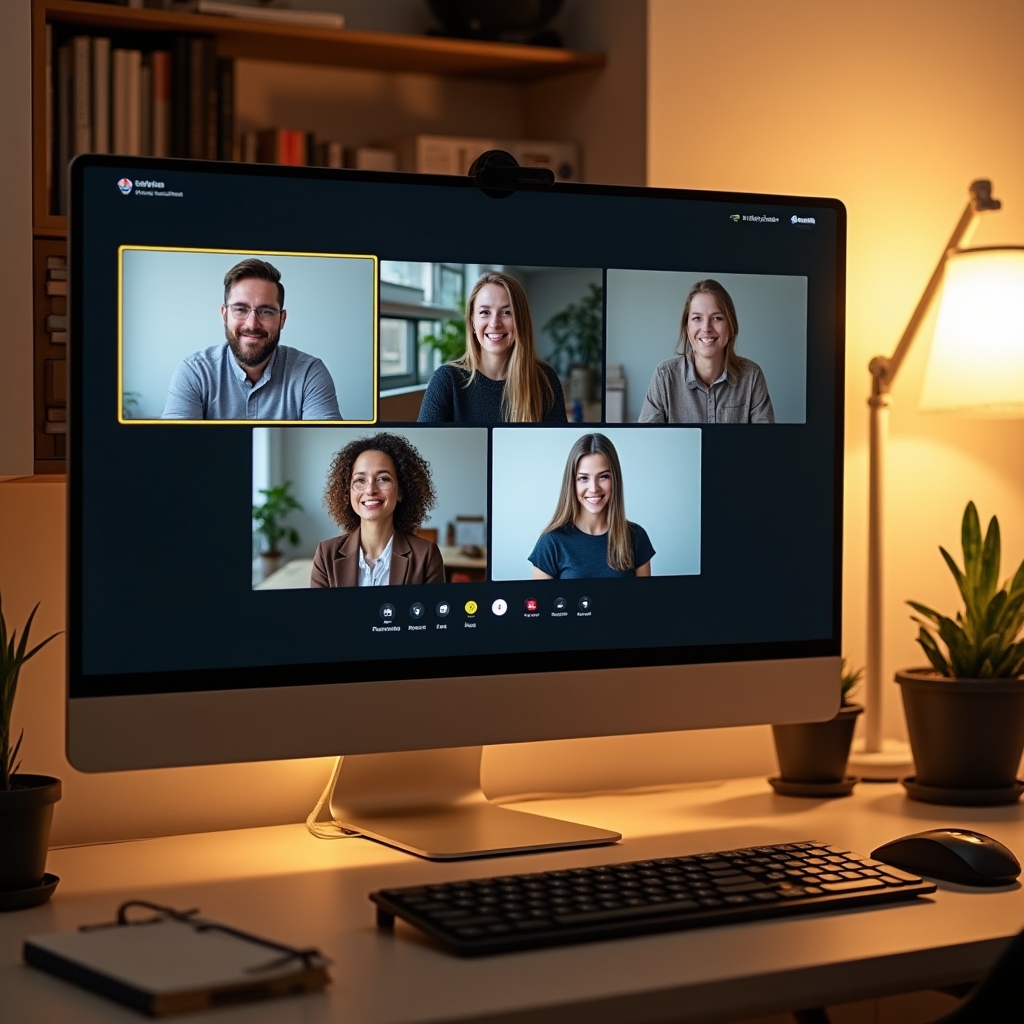
What it feels like to attend
Winega sessions are closer to a seminar than a lecture. The facilitator is present throughout but is not the center of attention. The case study is the center of attention.
Participants often describe the experience as "thinking out loud with a framework." The session gives you a structured way to examine something you already have opinions about, and those opinions usually shift somewhat by the end. Not because you were corrected. Because you examined something more carefully than you had before.
Ask About Sessions